

Personal injury law firm marketing is expensive, competitive and full of people promising more leads.
But which marketing ideas are actually worth trying? And how do you compete when another firm seems to own every billboard, search result and television break in town?
I’d stop trying to be everywhere. Pick the case types and areas that matter, then build a marketing mix the firm can afford to run and the intake team can support.
The short version
- Choose the injury matters and locations worth pursuing before buying traffic.
- Build a recognisable local brand instead of copying every other injury firm.
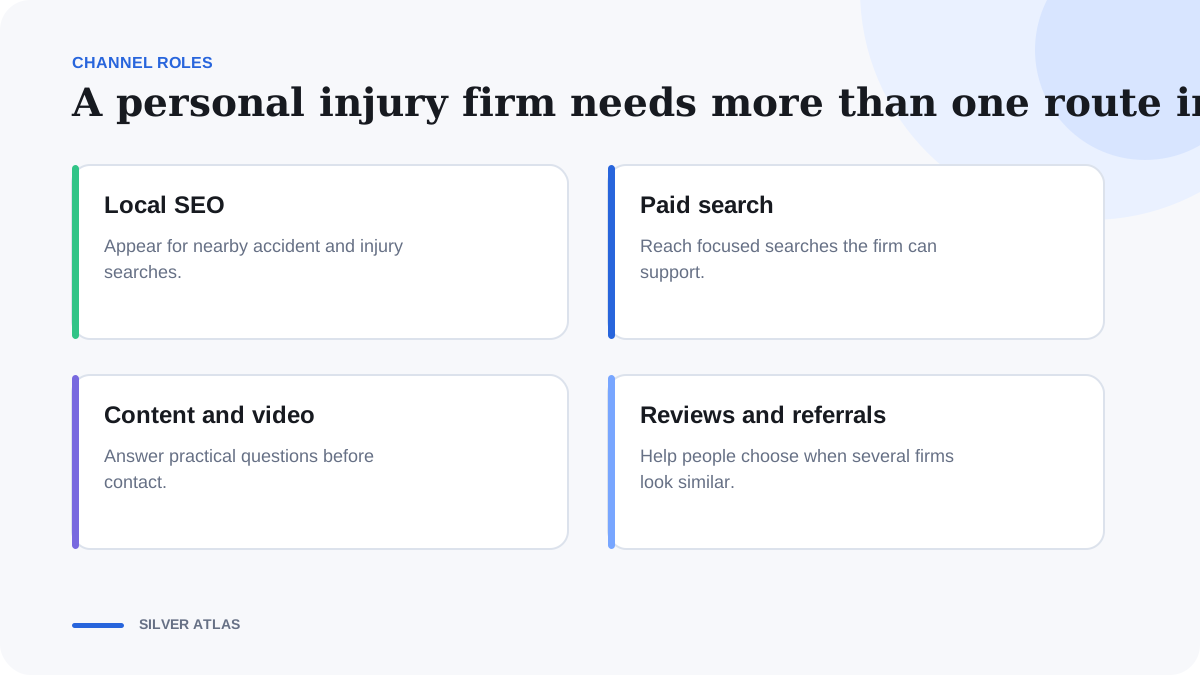
- Use service pages, local SEO, Google Ads, content, reviews and referrals for different jobs.
- Make mobile contact and follow-up part of the marketing plan.
- Judge channels by suitable consultations and retained cases, not lead count alone.
1. Decide which cases you want more of
“Personal injury” is far too broad to guide a marketing plan. Car accidents, workplace injuries, medical negligence and catastrophic injury matters have different competition, questions and commercial value.
Write down the matters the firm accepts, the jurisdictions covered, the cases it doesn’t take and the capacity available now. Keep legal qualification inside the firm’s approved process, but give marketing enough information to avoid promoting services the firm can’t provide.
I’d rather see a firm become known for 2 useful areas in one market than spend a modest budget pretending it handles everything everywhere.
2. Give the firm a reason to be remembered
Most injury advertising uses the same words, the same courtroom photos and the same promise to fight.
What can the firm say that is specific and true? Maybe the attorneys have deep experience with one type of accident. Maybe the team serves a particular community or language group. Maybe the consultation and update process is easier to follow.
Use that difference across the website, adverts, videos and referral conversations. Don’t invent a dramatic slogan. Give people something useful to remember.
3. Build pages for the accidents you handle
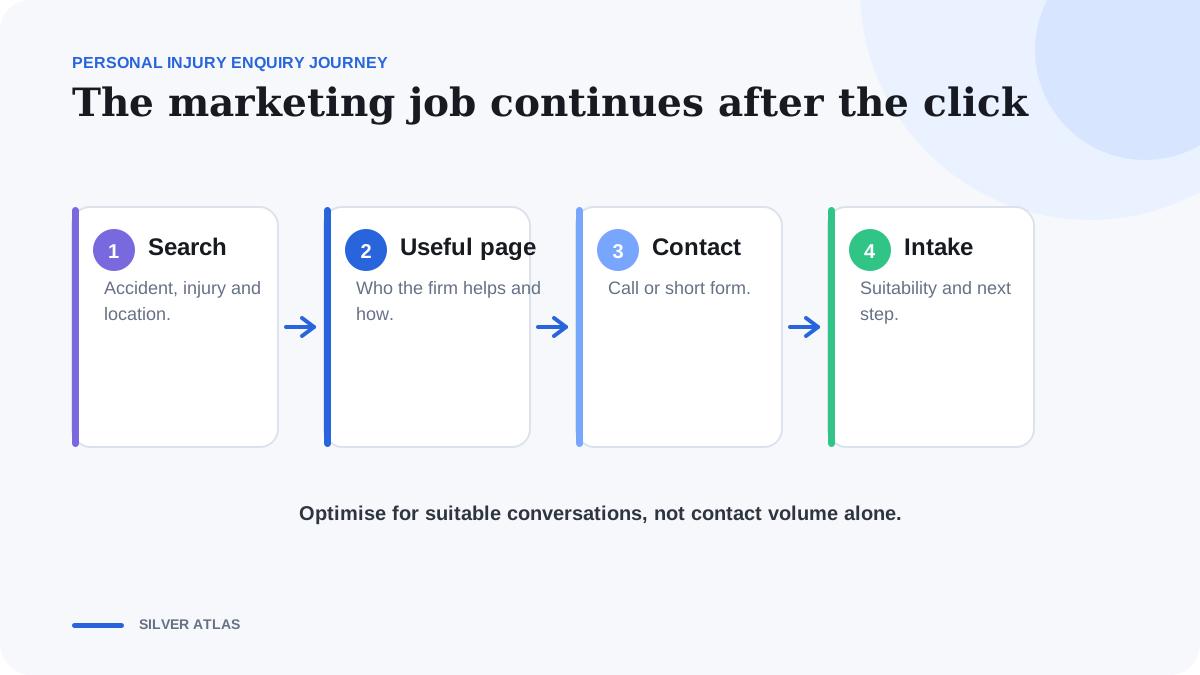
A person searching after a truck collision shouldn’t land on a generic injury page that spends most of its space discussing the firm. The page should identify the matter, service area, consultation process and information someone can safely prepare.
Create separate pages when the accident, qualification path and questions are genuinely different. Don’t copy one page and swap the heading. The personal injury law firm marketing service shows how the marketing pieces fit together, while these law firm website design tips cover forms, proof and mobile use.
4. Work on local SEO and Google Maps
Someone who already knows they need a lawyer will often search by service and location. That makes the Google Business Profile, local listings and location pages worth taking seriously.
Complete the profile, use accurate categories and services, keep the firm’s contact details consistent and add genuine photos. Ask eligible clients for reviews through a process the firm permits. Don’t buy reviews or push someone to describe an outcome in a way the firm couldn’t say itself.
Local pages need more than a city name. Explain the service area, the accidents handled and how someone in that area starts a consultation.
5. Use Google Ads for focused case searches
A focused law firm PPC campaign can reach people already searching for a lawyer. Start with case types and locations the firm can afford to test properly.
Keep the keyword, advert and landing page on the same subject. Review search terms because jobs, legal definitions, other states and cases the firm doesn’t take can all spend the budget. Broad match can discover useful wording, but it needs supervision.
Don’t turn the advert into a compensation promise. Google’s Misrepresentation policy prohibits misleading service and result claims.
6. Use content, video and social media to answer questions
SEO for law firms should start with the service pages, then add articles answering questions people ask before contact. What should they prepare? What happens at the first consultation? Does the firm handle this kind of accident?
Turn the most useful answers into short videos. They can sit on the service page, be shared on social media and give referral partners something helpful to send. You don’t need to dance on TikTok. You need to explain something people care about in a way they can follow.
Have an attorney review legal statements before publication and use primary sources when a process or statistic needs support.
Content capacity is a practical constraint for smaller firms. The ABA found that 76% of solo attorneys and 63% of small-firm attorneys personally managed and created website content, while only 11% of solo firms and 19% of small firms reported having a blog. That supports publishing fewer useful pieces and reusing them well.

7. Build reviews and referral relationships
Former clients, other lawyers, medical professionals and community contacts may all influence who gets called. Make it easy for an eligible person to leave an honest review and for a referral partner to understand which cases the firm handles.
Stay in touch by being useful. A short update, educational talk or helpful resource can do more than another generic “checking in” email.
ABA Model Rule 7.1 is a useful baseline for avoiding false or misleading communications. The firm still needs to approve claims and review rules in each jurisdiction.
8. Make the first contact easy
Assume someone is on a phone. Test the call button, short form, voicemail and after-hours instructions. If the website suggests an immediate response, the staffing and routing must support it.
Don’t ask for someone’s entire medical history in a marketing form. Collect enough to route the enquiry, then move detailed information into the firm’s approved intake process.
Follow-up matters too. A campaign hasn’t failed because someone missed the first call. Decide who calls back, how quickly the team can respond and what happens when the person can’t be reached.
9. Put budget behind suitable cases
Cost per click and cost per form are only the start. A long phone call about the wrong case isn’t better than a short call that books a suitable consultation.
Record where the enquiry came from and what intake learned. The lead tracking guide for law firms explains how to connect campaigns and pages with consultation and case outcomes.
Review the marketing mix each month. Some markets may justify Google Ads. Others may reward local search, referrals, television, outdoor advertising or community work. Don’t copy another firm’s channel mix without its budget, reputation and case economics.
Personal injury marketing isn’t about appearing everywhere. It’s about becoming memorable to the right people, making contact easy and knowing which channels produced cases the firm wanted.
Common questions about personal injury law firm marketing
Which marketing channel should a personal injury firm start with?
Start where the firm already has an advantage. That may be referrals, local visibility, an established reputation or paid search for one case type. Fix the website and intake route before sending more people into them.
Should a personal injury firm advertise every case type?
No. Start with matters the firm can evaluate, serve and follow up consistently. Expand after the first channels produce enough useful evidence.
Do personal injury firms need social media?
Use it when the firm can publish useful explanations, show its people or stay visible to a relevant community. Don’t post daily filler simply because another firm does.
Should the website mention past results?
Only when the result is verified, permitted and presented with the context required by the firm’s jurisdiction. Never turn a past outcome into a prediction or guarantee.

