

Criminal defense lawyer marketing isn’t just a landing page and a Google Ads campaign.
If you run a criminal defense practice, you’re probably asking a broader question: how do we get known, appear when someone needs us and turn that attention into suitable cases?
The urgency of an arrest or court date matters because it changes how people search and call. But the person reading this article is the firm owner or marketer deciding what to do about it.
The short version
- Choose the charges, clients and locations the firm wants to be known for.
- Build local visibility through Google Maps, focused pages and useful content.
- Use Google Ads for urgent searches the firm can afford and support.
- Grow reputation through reviews, referrals, community work and helpful video.
- Make after-hours response and intake part of the marketing plan.
1. Decide which cases you want more of
Criminal defense covers far more than one service. DUI, assault, domestic violence, drug offenses, federal charges and white-collar matters can involve different clients, fees, competition and search behaviour.
Choose the matters and jurisdictions the firm wants to pursue. Note what it doesn’t handle, whether the practice is privately funded and how much new work the attorneys can support.
Don’t try to own every criminal law search in the state with a modest budget. I’d rather see the firm become known for a few profitable areas and expand from evidence.
2. Give people something specific to remember
“Aggressive defense” is everywhere. So are gavels, handcuffs and dark city photos.
What can the firm say that is true and useful? It may have deep courtroom experience, former prosecution experience, a focus on one charge type, service in a particular community or a consultation process built for urgent contact.
Use that positioning across the website, attorney profiles, adverts, videos and referral conversations. Don’t turn it into a prediction about the case.
3. Build pages around charges and locations
A DUI search and a federal fraud search don’t deserve the same generic page. Create separate service pages when the questions, attorney experience and intake route are different.
Put the charge, location, situations handled and contact route near the top. Then explain the consultation process and the information someone can safely prepare. The criminal defense marketing agency connects these pages with campaigns and intake, while the law firm website design tips cover mobile, forms and trust in more detail.
Don’t publish a page for every town if the only change is the town name. Write location pages when the firm can add useful service information for that area.
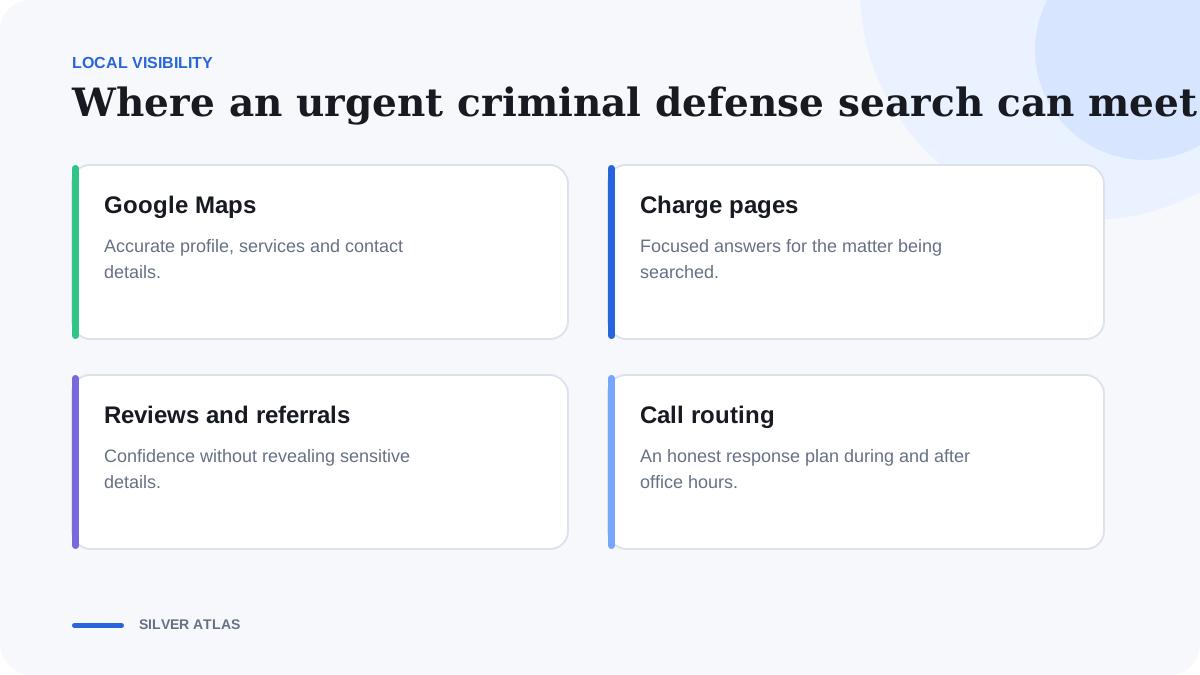
4. Work on Google Maps and local SEO
Many people search for a criminal lawyer by location. Complete the Google Business Profile, choose accurate categories, add genuine services and photos and keep the firm’s contact details consistent across trusted listings.
Ask eligible clients for reviews using a process the firm permits. Criminal matters are sensitive, so don’t pressure anyone to reveal the charge or outcome. A review can discuss communication and service without becoming a case study.
Local SEO also depends on the website. Connect relevant service and location pages with internal links so someone can move from the broad practice to the exact help they’re looking for.
5. Use Google Ads for urgent searches
Google Ads for law firms can reach people searching for help now. Start with charge and location combinations the firm can afford to test and the intake team can answer.
Keep the keyword, advert and landing page on the same subject. Review search terms often because research, jobs, news, legal forms and unrelated jurisdictions can all enter criminal law traffic.
Don’t use panic or pretend someone is available 24 hours when nobody answers. Google’s Misrepresentation policy prohibits misleading identity, service and result claims.
6. Use SEO, articles and video to answer questions
Law firm SEO should start with useful service pages. Supporting articles can then answer researched questions about the first consultation, what to prepare and how a general process works, subject to attorney review.
Video is useful here because people can see and hear the attorney before deciding whether to call. Answer one question at a time. A 2-minute explanation of what happens after an arrest is more useful than a polished brand film saying the firm cares.
Share those answers on the website, YouTube and the social channels the firm can maintain. One useful recording can support several parts of the marketing without turning the attorney into a full-time creator.
7. Build reputation and referral relationships
Other lawyers, bail professionals, treatment providers and community contacts may know people who need representation. The firm should decide which relationships are appropriate, permitted and relevant in its jurisdiction.
Make the referral route easy. Explain the cases the firm handles, who receives an introduction and how quickly the firm can respond. Stay memorable by helping, teaching and showing up in the legal or local community.
Use admissions, experience and reviews with the right context. ABA Model Rule 7.1 provides a baseline against false or misleading communications, but the final wording still needs local review.
8. Treat after-hours response as marketing
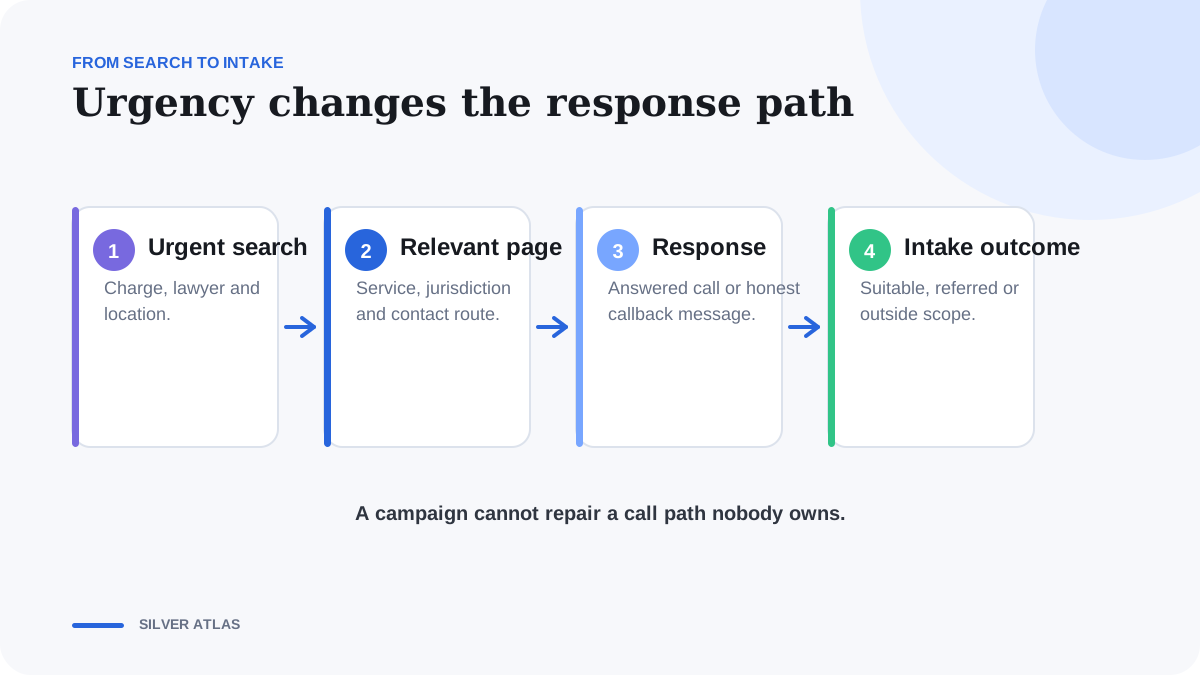
An arrest doesn’t follow office hours. That doesn’t mean every firm needs to claim 24-hour attorney access. It means the firm needs an honest plan.
Test calls during and outside office hours. Check forwarding, voicemail, missed-call alerts and follow-up ownership. If nobody answers at 2am, tell the visitor what happens after they leave a message.
Keep the first form short. Ask for contact details, a general charge or service category, location and a brief non-confidential message only when needed. Detailed allegations and documents belong in the approved intake process.
Clio’s 2024 secret shopper study contacted 500 law firms. Only 40% answered the phone live, 52% were reached live or by callback and 33% responded to email. The sample does not represent every criminal defense firm, but it shows why response handling belongs in the marketing review.

9. Track which channels produced suitable cases
Call count includes missed calls, vendors, existing clients, wrong jurisdictions and other contacts. Record the source and a simple outcome such as potentially suitable, consultation booked, wrong service, wrong location or unreachable.
Use the lead tracking guide for law firms to connect search terms, campaigns and pages with intake outcomes. Review the evidence each month and put more budget into the channels producing the cases the firm wants.
Criminal defense marketing needs urgency, but urgency isn’t the strategy. The strategy is choosing the work, becoming visible in the right places, building trust and making sure a suitable call gets answered.
Common questions about criminal defense lawyer marketing
What is the best marketing channel for a criminal defense lawyer?
Local SEO, Google Ads, referrals and useful content can all work. The starting point depends on the firm’s reputation, location, budget, case mix and ability to answer urgent enquiries.
Should every charge have its own page?
Create a separate page when the search, service information, attorney experience or consultation questions differ. Don’t create thin pages repeating the same answer with another charge name.
Does a criminal defense firm need social media?
Use it when the attorneys can answer useful questions, show their approach or stay visible to a relevant community. It shouldn’t replace local search, service pages or intake.
Is a 24-hour response claim important?
Accuracy is more important. Use the claim only when the firm has verified staffing and routing. Otherwise explain the actual after-hours next step.

